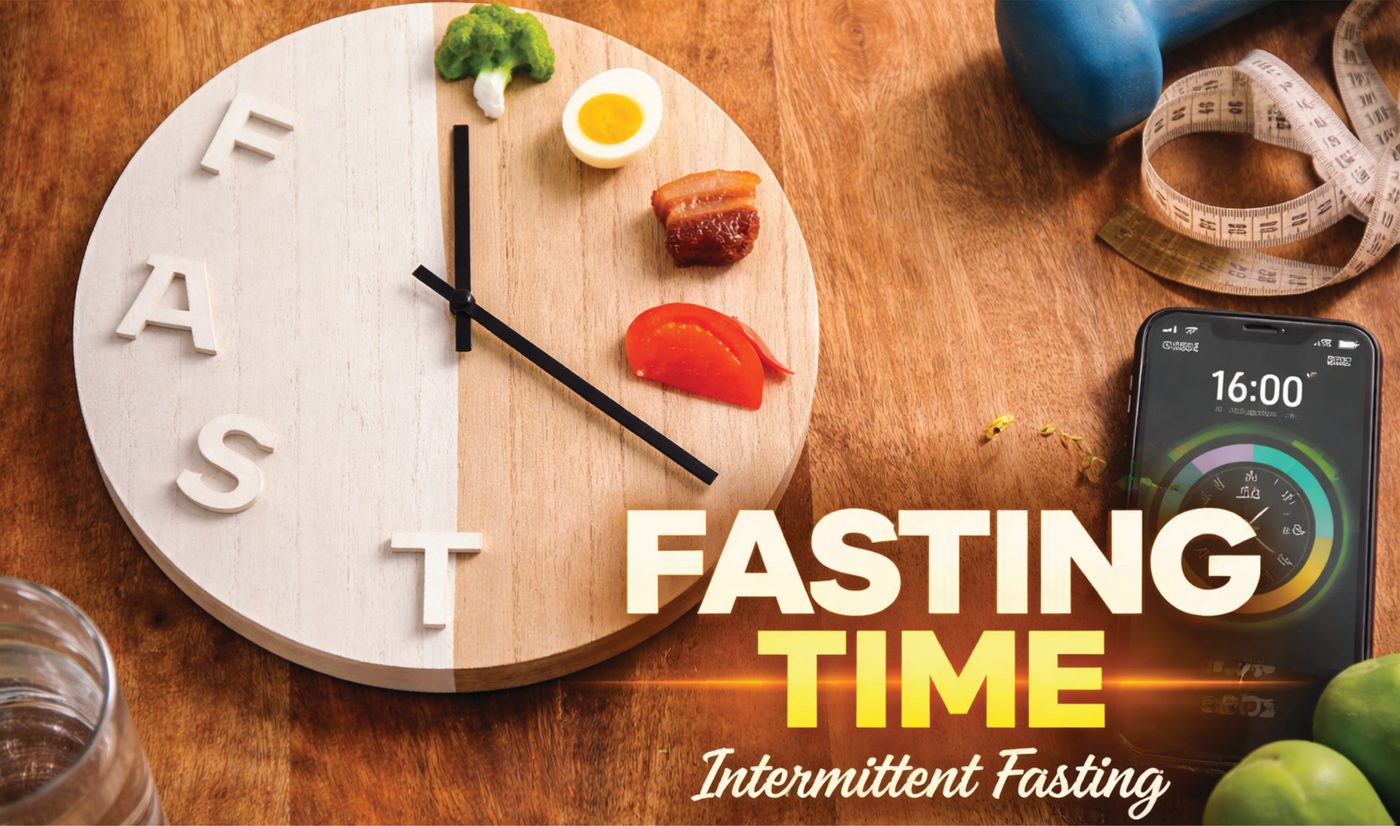
The Intermittent Fasting Diet at SESC Sports Medicine Center is a structured nutrition approach that cycles between periods of eating and fasting.
Rather than focusing on what you eat, intermittent fasting focuses on when you eat, helping regulate metabolism, improve fat burning, and optimize health.
When properly guided by nutrition professionals, intermittent fasting can support weight loss, metabolic health, and energy regulation.



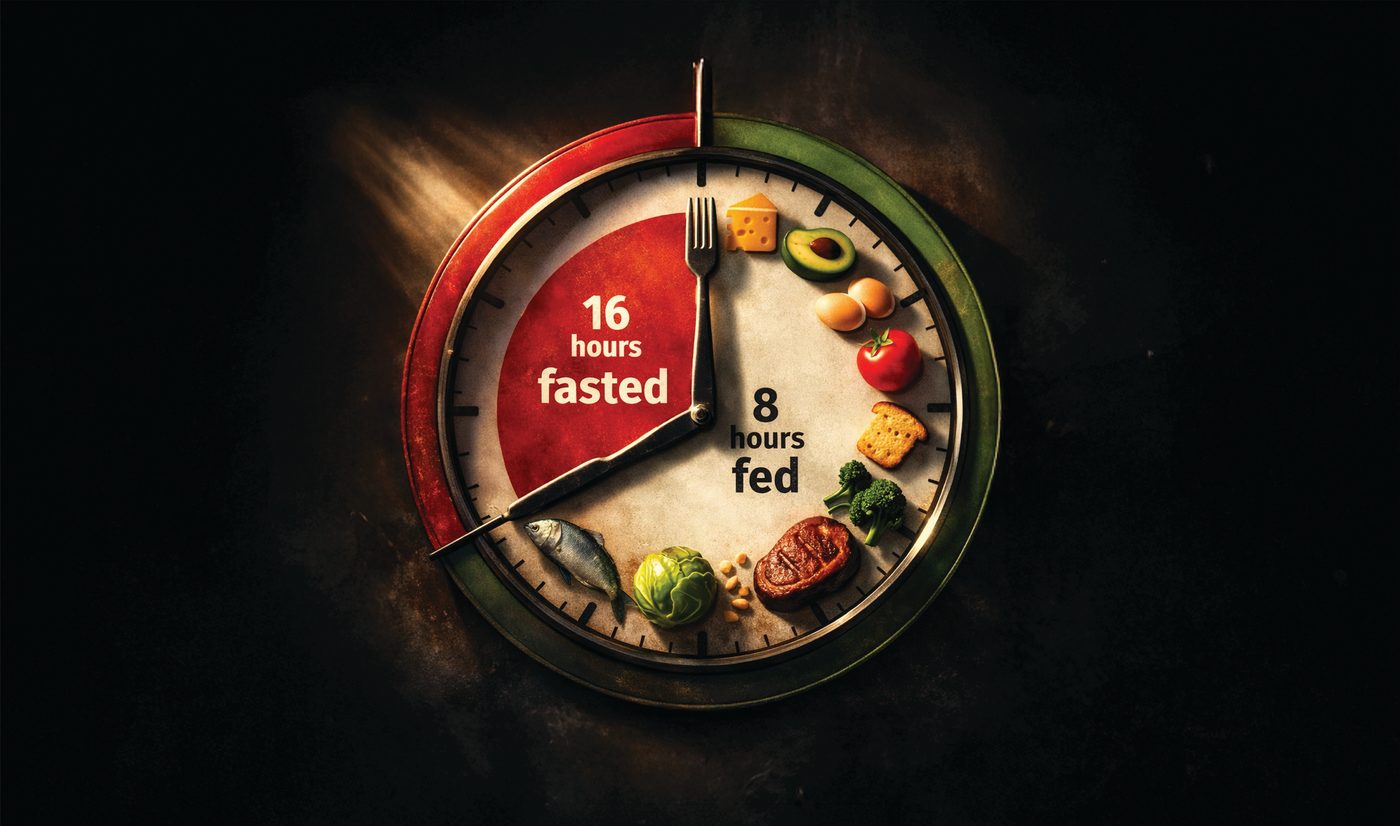
This is one of the most common intermittent fasting approaches, involving 16 hours of fasting and an 8-hour eating window.
It is effective for improving insulin sensitivity, promoting fat loss, and simplifying daily eating schedules.
This method is often preferred by beginners due to its flexibility and sustainable structure.


In this fasting model, individuals fast for 13 hours and consume food within an 11-hour window.
This method is ideal for those new to fasting and helps the body gradually adapt to longer fasting periods.

This fasting model involves 20 hours of fasting and a 4-hour eating window.
It is typically practiced by advanced individuals and may support accelerated fat loss and metabolic adaptation when properly supervised.
This strategy involves eating normally for five days per week, while two non-consecutive days involve significant calorie restriction.
It allows metabolic flexibility while still promoting calorie control and fat loss.


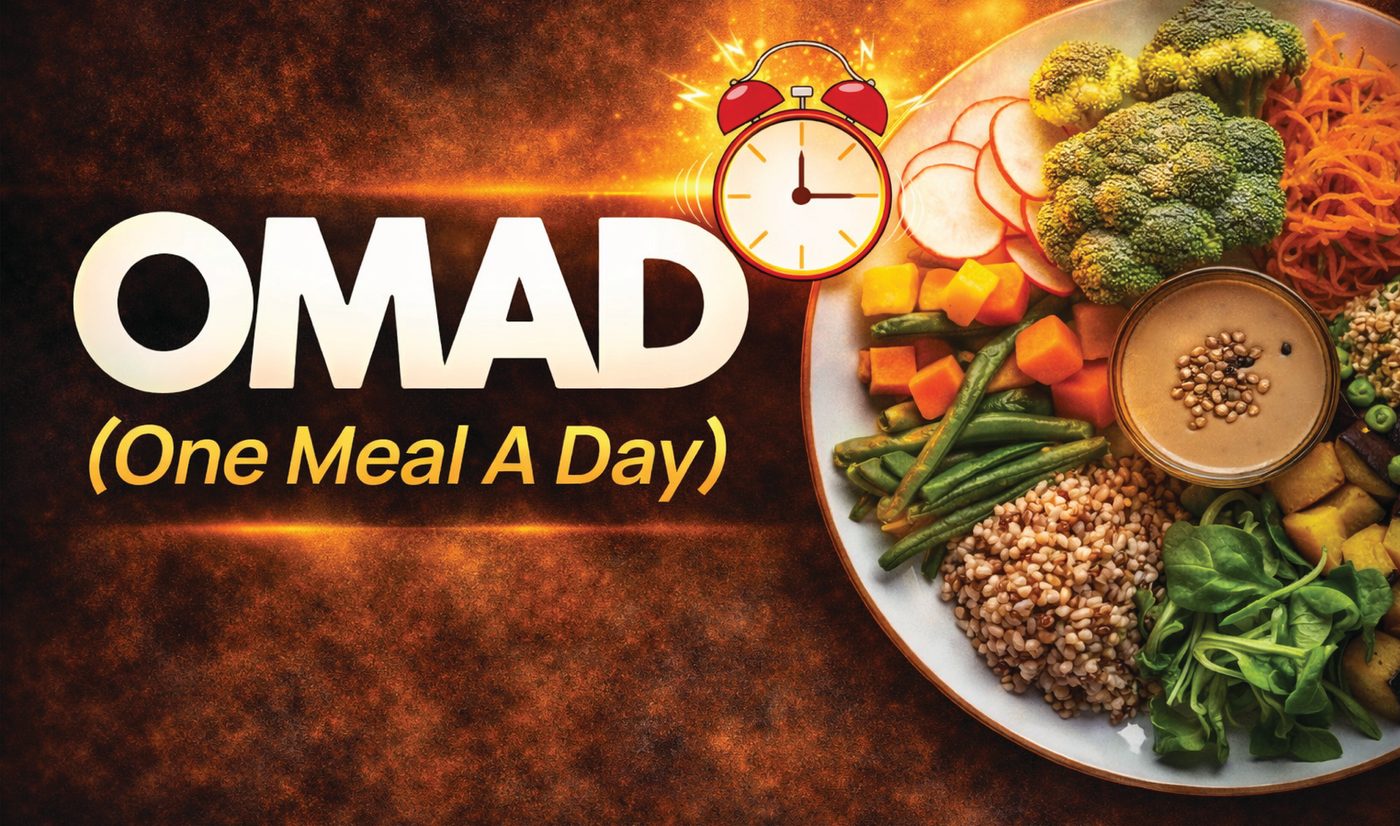
OMAD involves consuming all daily calories within one meal per day, resulting in approximately 23 hours of fasting.
This approach may support fat loss and metabolic control but requires careful planning to meet nutrient needs.
This strategy adapts intermittent fasting principles specifically for athletic performance.
Eating windows are aligned with training schedules to support recovery, energy availability, and performance optimization.