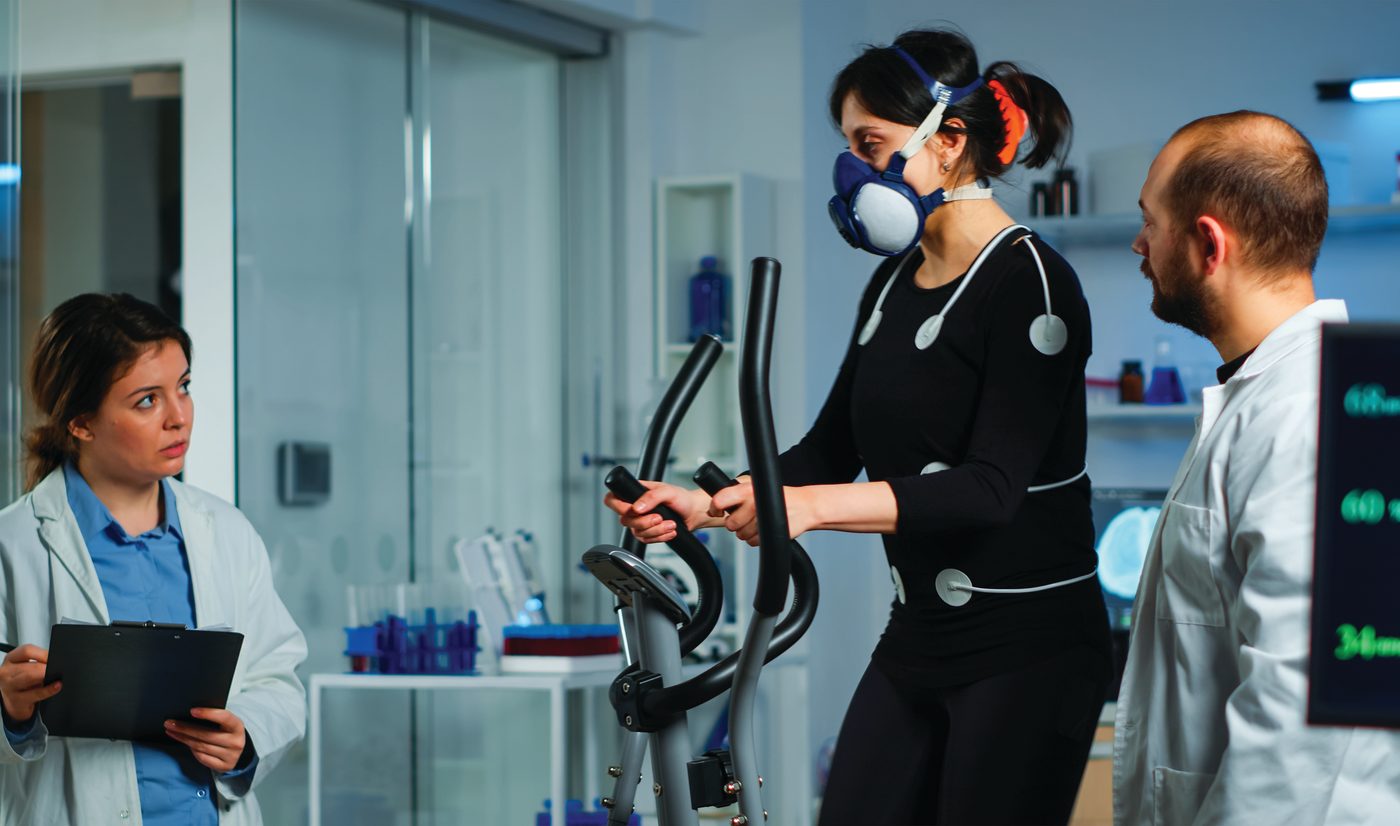
Cardiopulmonary Exercise Testing (CPET) is the most comprehensive and advanced assessment of how the heart, lungs, muscles, and metabolic systems work together during physical exertion.
It is widely recognized as the gold standard for evaluating functional capacity, exercise tolerance, endurance limitations, and overall cardiorespiratory health.
By analyzing the body’s integrated response to progressively increasing exercise intensity, CPET provides a complete and objective picture of physical performance that cannot be obtained through resting tests alone.
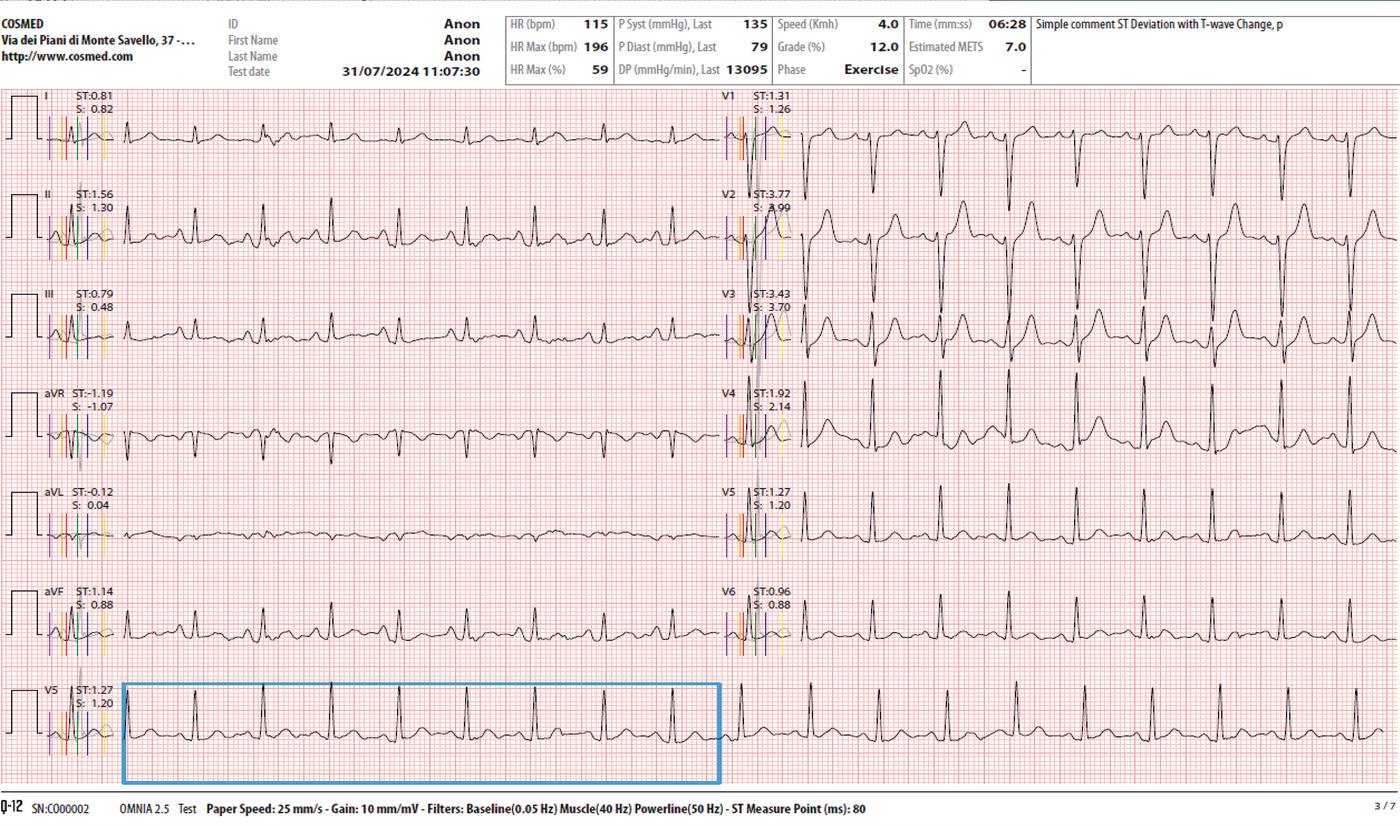
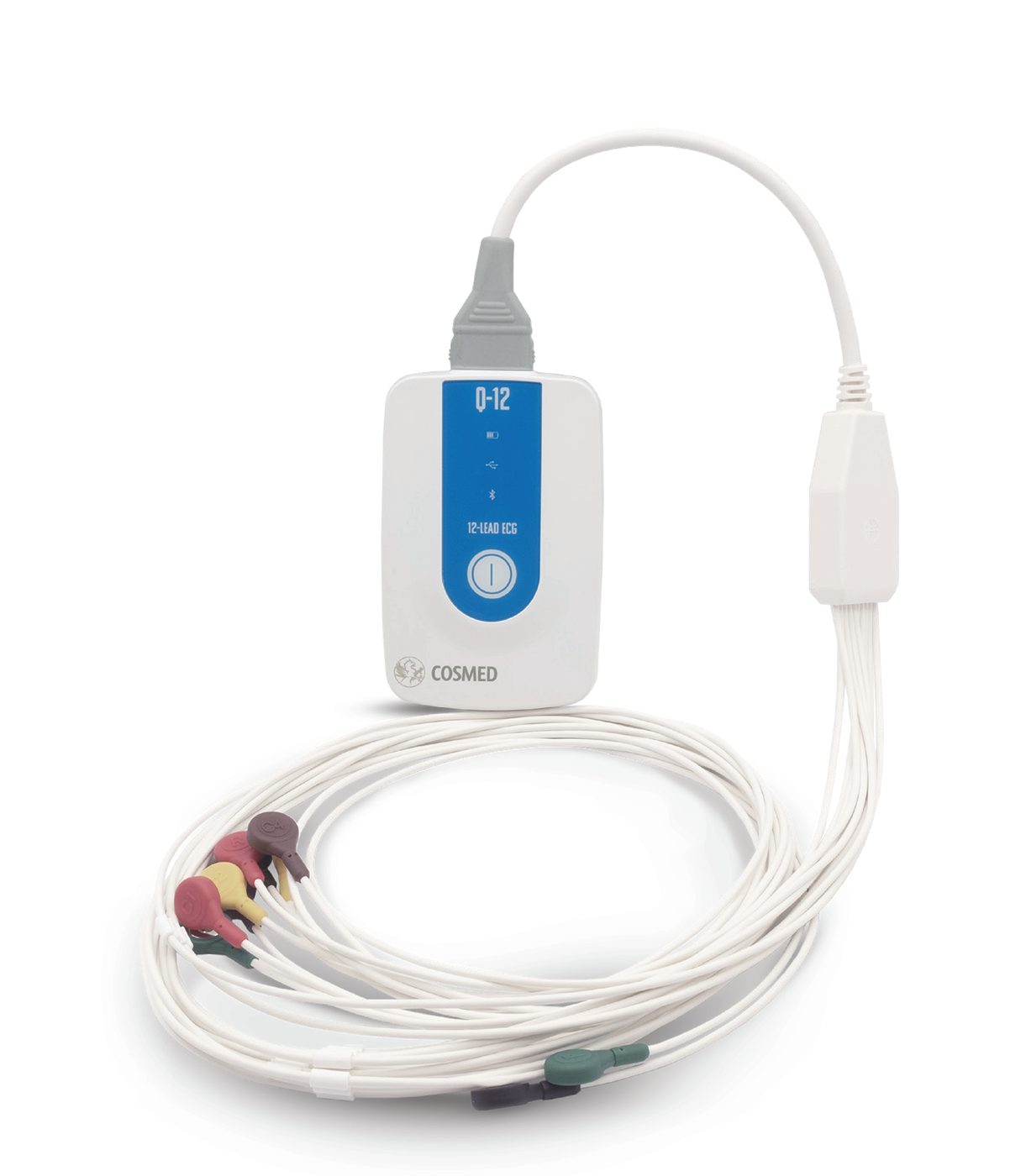
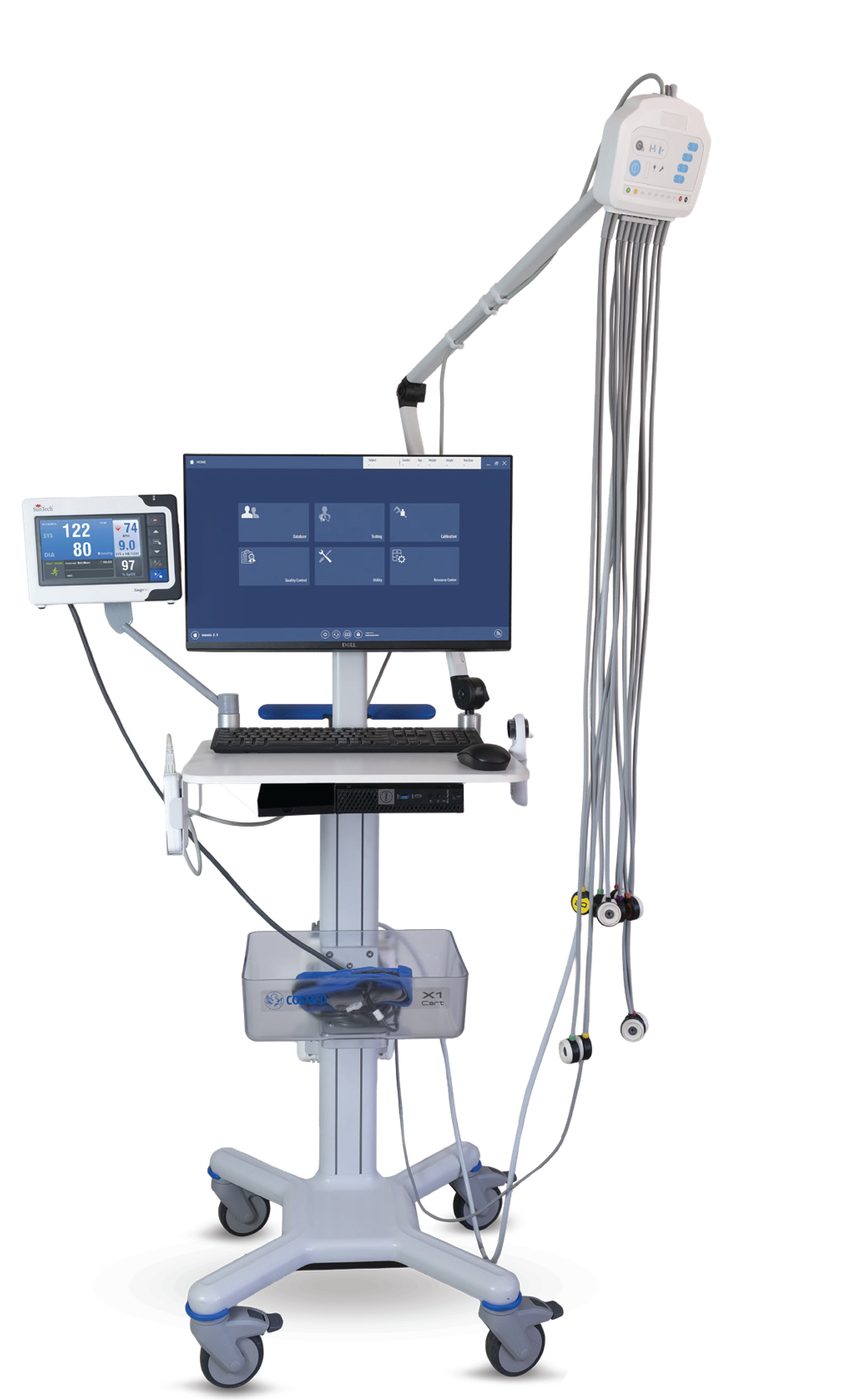
At SESC, CPET is not used as a standalone test — it is a core decision-making tool integrated across the entire sports medicine ecosystem.
CPET data defines aerobic capacity, energy system efficiency, and training thresholds, allowing coaches to design highly targeted conditioning programs that improve endurance, speed, and game-specific performance.
Physiotherapists use CPET insights to assess cardiovascular tolerance, monitor safe exercise intensity during rehabilitation, and guide a structured, evidence-based return-to-play process.
Metabolic and oxygen-utilization data from CPET helps nutritionists tailor fueling strategies, calorie intake, and recovery nutrition to match individual training demands and performance goals.
CPET outcomes inform recovery planning by identifying fatigue patterns and physiological stress, allowing optimized use of recovery modalities to support adaptation and reduce overtraining risk.